




Construction
- HOME
- /
- SERVICES
- /
- Construction
Home construction in Pakistan involves a structured process from soil analysis to final touches, with costs varying by size (e.g., 10 Marla around PKR 28-40 Million in 2026) and quality, requiring planning, approvals, material selection, and reputable contractors to manage budgets and standards effectively, incorporating modern trends like smart homes and sustainable materials.
Key Steps & Considerations
Planning & Design
Soil testing, layout design, utility planning, and getting formal building plan approvals (LDA, DHA, etc.).
Contractor Selection
Choose certified, experienced, and reputable contractors to avoid financial loss, not just the cheapest option.
Cost Management
- Grey Structure (Shell): PKR 4,000-6,000 per sq. ft. (2026 estimate), including structure, plumbing, wiring.
- Finishing: PKR 3,500-5,000+ per sq. ft. for tiles, paint, woodwork, etc..
- Get a detailed Bill of Quantities (BOQ)to avoid surprises.
Construction Phases
Site prep, foundation, DPC (Damp Proof Course), walls, steel installation, shuttering, ceiling, plumbing/electrical, plastering, flooring, painting, woodwork, boundary wall, paving, and landscaping.
Materials
Standard materials include bricks, cement, steel, sand, gravel, wood, but sustainable options are emerging.
Modern Trends
Expect integration of smart home tech, eco-friendly designs, minimalism, and outdoor spaces.
Cost Examples (2026 Estimates)

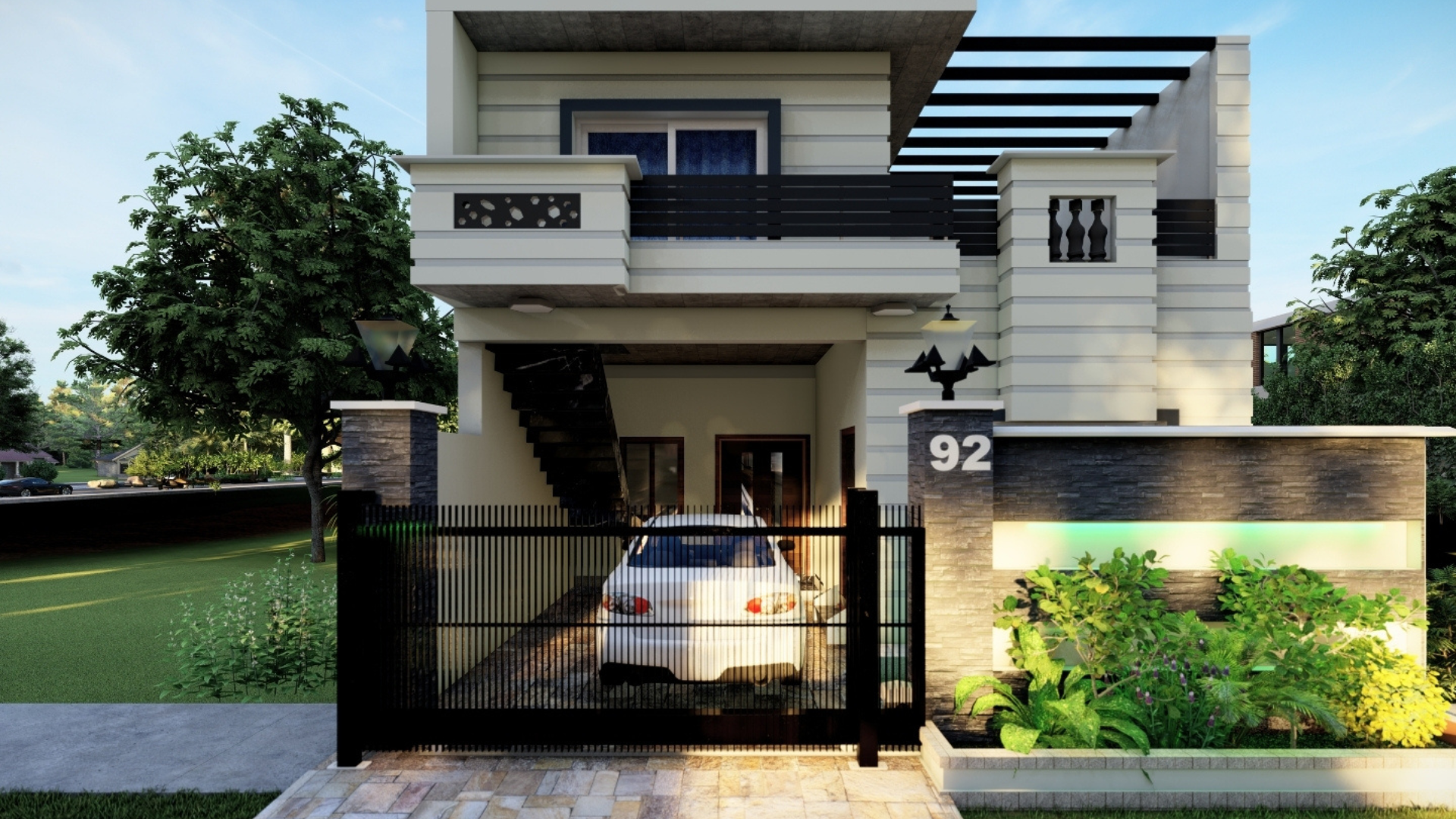
5 Marla House
PKR 13.5 – 17.5 Million.

10 Marla House
PKR 22 – 28 Million (Basic) to PKR 28-40 Million (Mid-Quality).
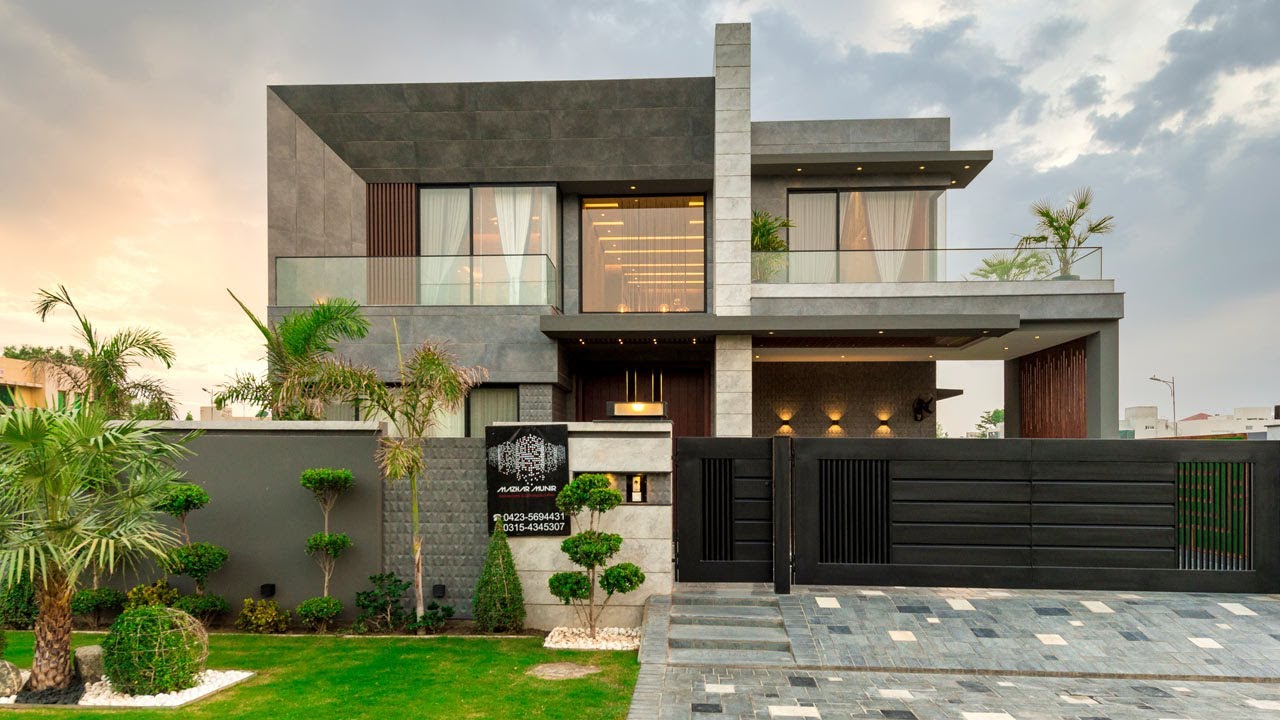
1 Kanal House
PKR 32 – 43 Million.

Top Tips
- Research thoroughly before hiring.
- Secure approvals first.
- Plan for all expenses, including contingency.
- Consider companies offering end-to-end solutions, especially if overseas.
Before starting construction, test the soil to see if it’s suitable. If the soil is too loose, you’ll need deeper excavation. If it’s too hard, you’ll need bigger machinery to break it down.
Soil Analysis: Testing the soil to check its type, strength, and moisture to ensure it can support the house.
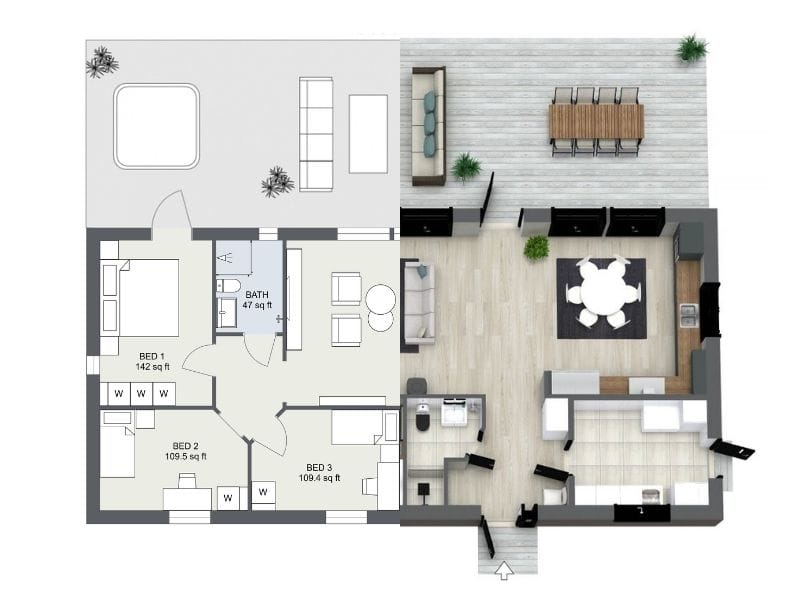
Hire a designer or architect to create the layout of your home. Some housing societies may provide layouts for your plot. Share your requirements, like the number of rooms and floors, with the designer.
Designing the Layout: Creating a blueprint of your home that shows the placement of rooms, doors, and windows.
Apply for essential services like electricity, water, and gas. In some areas, you might need a water tank, backup generator, or gas cylinder.
Utilities Application: Submitting applications to get electricity, water, and gas connections for your home
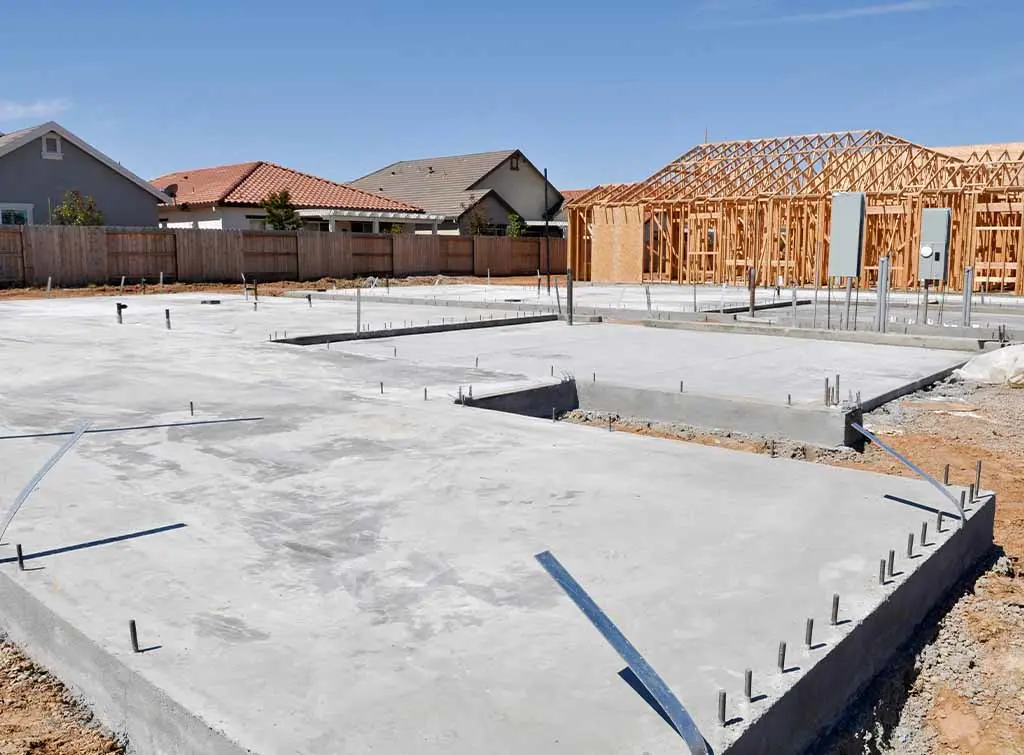
Start the actual construction by laying the foundation. Dig the area and pour concrete. Let the concrete dry completely before building further. Then, construct the frame of the house according to the approved plans.
Foundation Construction: Digging and creating the base of the house. This is crucial as it supports the entire structure.
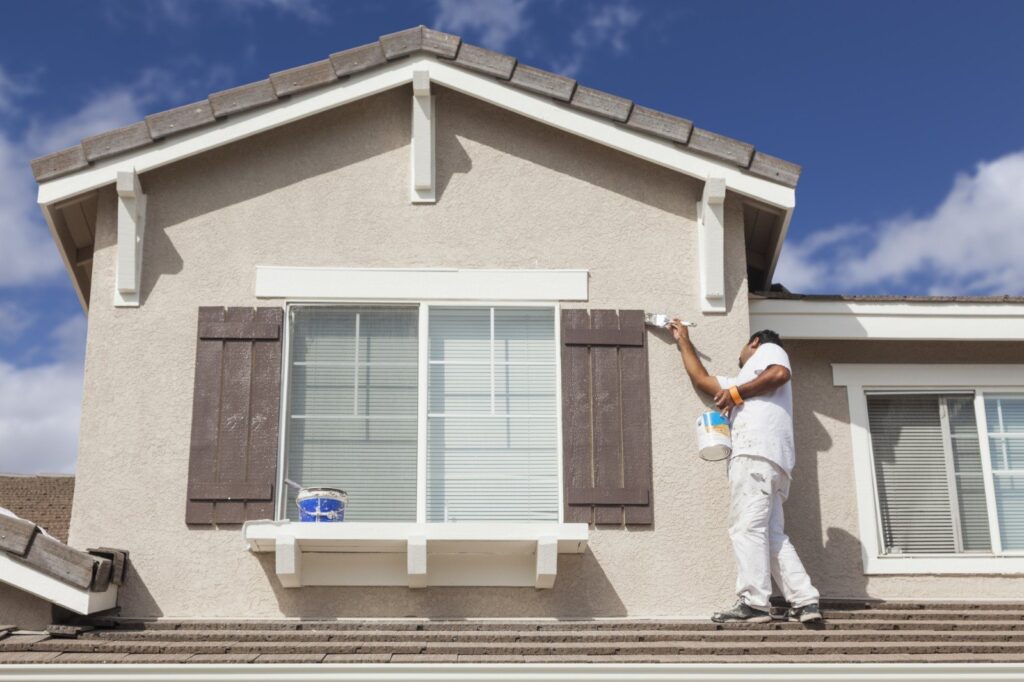
After building the house frame, work on the exterior finishes. Plaster the walls and fit the roof tiles. You can also use textured paint or brickwork designs for a better look.
Exterior Polishing: Completing the outer look of the house, including wall finishes and roofing.
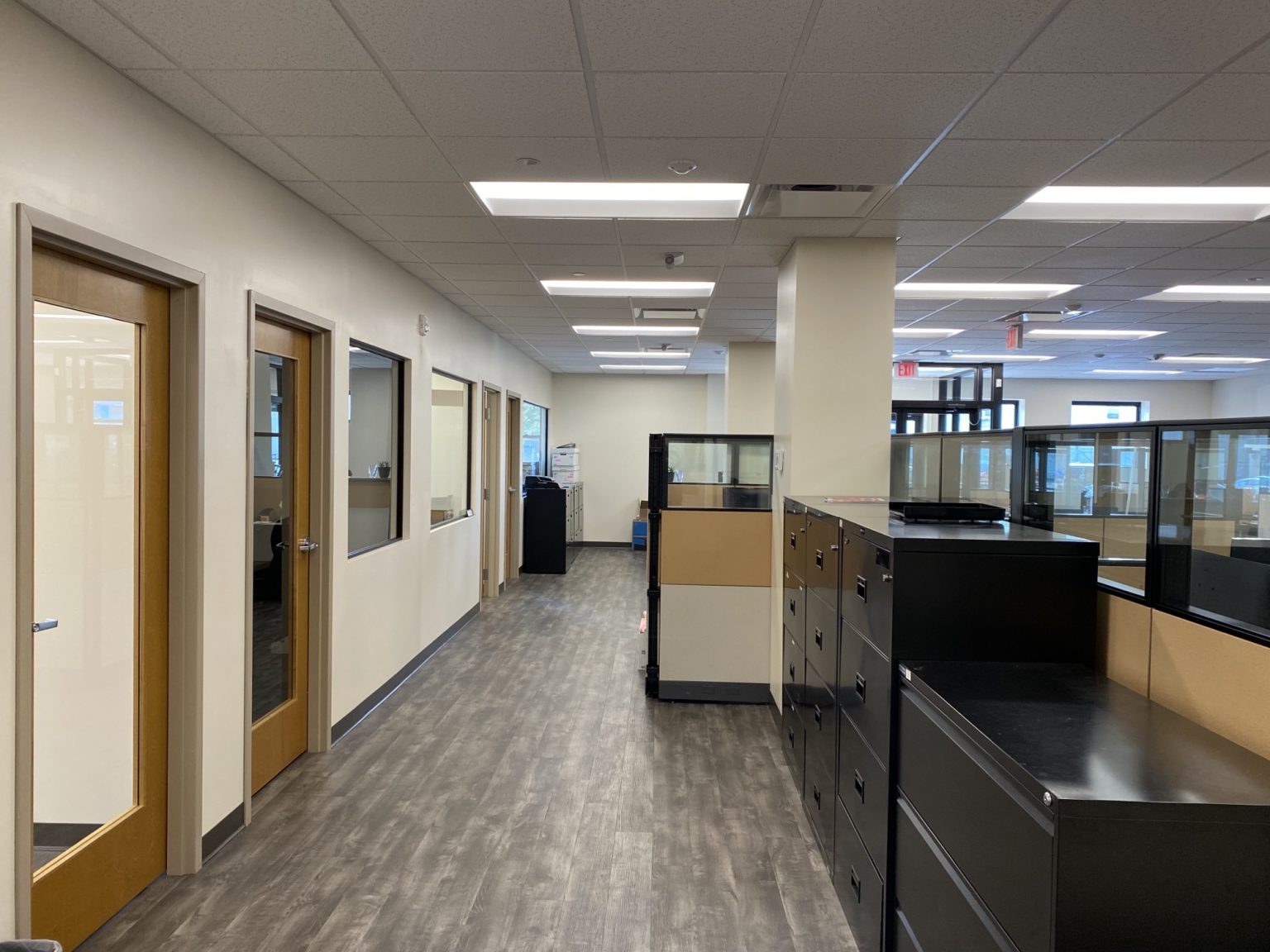
With the exterior done, focus on the interior. Paint the walls, install flooring, plumbing fixtures, lighting, electrical wiring, and doors and windows.
Interior Fitting: Doing all the interior work like flooring, painting, and installing fixtures to make the house functional.
Make the home more liveable by adding the final touches. Paint the interior with your chosen colors. Clean up any construction mess. Most contractors will clean up before handing the house over for your final inspection.
Home Finalisation: Adding final touches like painting interiors and cleaning up to prepare the house for moving in.
Once construction is complete, decorate your home. Add wallpaper, custom designs, and bring in furniture to make it comfortable.
Decorating Touches: Personalizing your home with decor, furniture, and other elements to make it feel like home.
FAQs about Building a House in Pakistan
What is the first step in building a house in Pakistan?
Conducting soil analysis to ensure the land is suitable for construction.
How long does it take to build a house in Pakistan?
Building a house can take 6 months to 1 year, depending on size, complexity, and weather.
Do I need an architect to design my house?
Yes, an architect is crucial for creating a practical and legally compliant design.
How do I apply for utilities in Islamabad?
Contact the relevant authorities for electricity, water, and gas connections and submit the necessary applications and fees.
What are common mistakes to avoid during home construction?
Avoid inadequate planning, ignoring soil analysis, poor contractor selection, and underestimating the budget.